Best Longboards 2026: Top Complete Boards for Every Riding Style | BuyLongboard
Best Longboards 2026: Top Picks for Every Riding Style
Complete setups from $120 — shipped fully assembled, free across the US. Whether you are commuting across campus, learning to dance on a deck, or simply looking for a smoother way to move, pick a section below to find your perfect match.
Not sure which board to start with? Let’s find your fit.
The best beginner longboard isn’t the cheapest — it’s the one matched to how you actually want to ride. A 110cm complete setup with soft wheels is where almost every new rider should start.
Beginner Buying Guide
Longer decks are easier to learn on — not harder.
The most common beginner mistake: buying a short board because it looks manageable. A 110cm deck with 78A–82A soft wheels gives you a wide, stable platform to find your balance naturally. Shorter boards with hard wheels are actually far harder to control when you’re just starting out.
Our best longboard for beginners guide covers four real-world buying scenarios — campus commuter, freestyle dancer, gift buyer, and trick rider — so you can identify your perfect match in under two minutes. We also break down how to get a quality beginner longboard setup under $150 without cutting corners on safety or performance.
📏 110cm complete setups🔵 78A–82A vibration-absorbing wheels⚖️ Fully assembled out of the box
Five skills. Two weeks. Flat pavement and zero pressure.
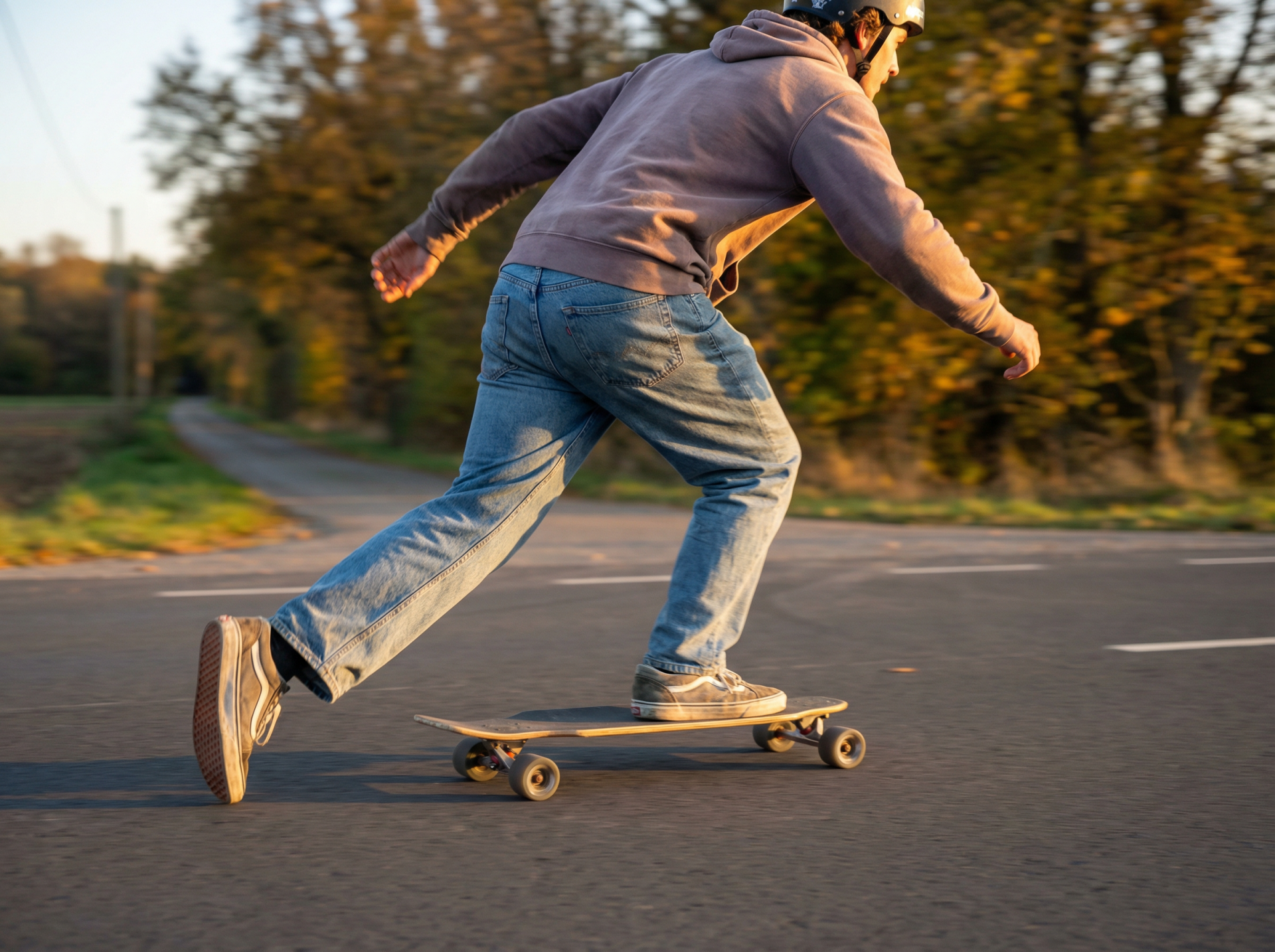
Learning how to longboard is more intuitive than most people expect. Follow these five skills in order and you will be pushing, turning, and carving with confidence within two weeks.
01
Stance
Day 1 · ⭐
02
Push & Glide
Days 1–2 · ⭐
03
Turn
Days 2–5 · ⭐⭐
04
Stop
Days 3–7 · ⭐⭐
05
Carve
Weeks 2–4 · ⭐⭐⭐
Step-by-Step Tutorial
No skatepark needed. Just flat pavement and 20 minutes a day.
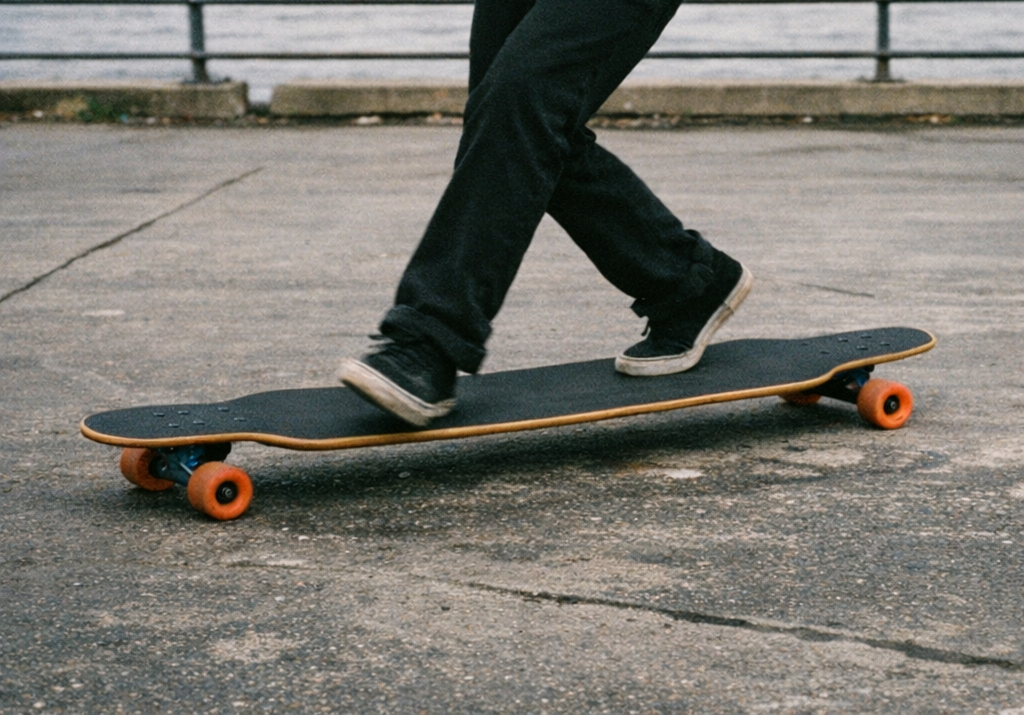
Our complete guide on how to longboard walks you through every skill with a realistic, day-by-day structure. You will start with your natural stance — regular or goofy — then progress through pushing, turning, and stopping safely before moving into carving.
Before your first session: wear a helmet (falling is part of the process, not a failure) and flat-soled shoes. The direct contact between your foot and the grip tape is where real board feel develops.
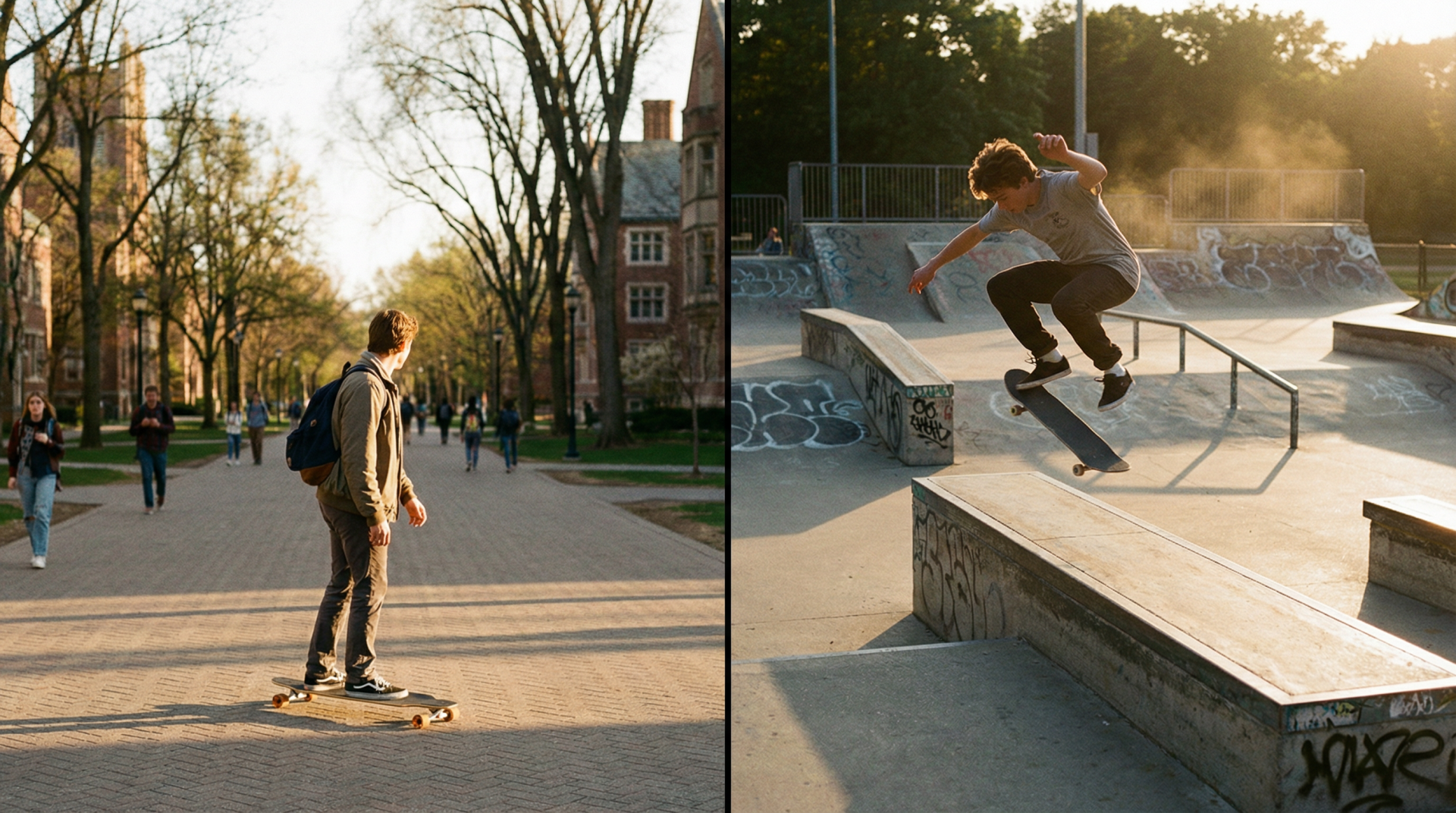
Longboards and skateboards share a heritage, but they are built for entirely different goals. Here is the side-by-side breakdown to help you pick the right tool for how you actually want to ride.
Longboard
Cruiser Board
Skateboard
Beginner difficulty
⭐ Easiest
⭐⭐ Fairly easy
⭐⭐⭐⭐ Steep curve
Daily commuting
✅ Built for distance
✅ Best for portability
❌ Not recommended
Dancing / Freestyle
✅ Exclusive to longboards
❌ Too short
❌ Wrong build
Ollie / Kickflip
❌ No kick tail
❌ No kick tail
✅ Standard skill
Entry price (complete)
$120–$200
$100–$180
$120–$200
The Core Question
Do you want to cruise and flow — or pop tricks at the skatepark?
If you want a ride that feels like surfing on land, a longboard is your answer. The soft 78A–82A wheels absorb the vibrations from cracks, pebbles, and rough asphalt that would instantly stop a standard hard-wheeled deck. This makes longboards the clear choice for daily commuting, campus travel, and mindful movement.
If you want to learn ollies and kickflips, a longboard cannot get you there — it physically lacks the kicktail needed for pop tricks. Our full longboard vs skateboard comparison breaks down every key difference so you can make the right call for your goals.
Understanding the different types of longboards changes how you look at your gear choice. You are not just buying wood and wheels — you are choosing which version of riding you want to experience.
🔥 Fastest Growing Style
Longboard dancing is the fastest-growing riding style — and it is more approachable than it looks.
Moves like the Cross-step, Nose Walk, and Ghost Ride have brought thousands of new riders into the sport. The learning curve is genuinely welcoming — most people land their first cross-step within a few weeks of consistent practice on a 110cm deck. The key non-negotiable: you need the full deck length. Shorter boards simply do not give your feet enough room to move.
Whether you want to dance, carve deep S-turns, or just cruise the neighbourhood, understanding the types of longboard riding styles helps you invest in exactly the right setup from day one.
Cruising — ⭐ EasiestDancing — 🔥 TrendingCarving — ⭐⭐ Pretty easyFreestyle — ⭐⭐⭐⭐ ChallengingDownhill — Pro level only
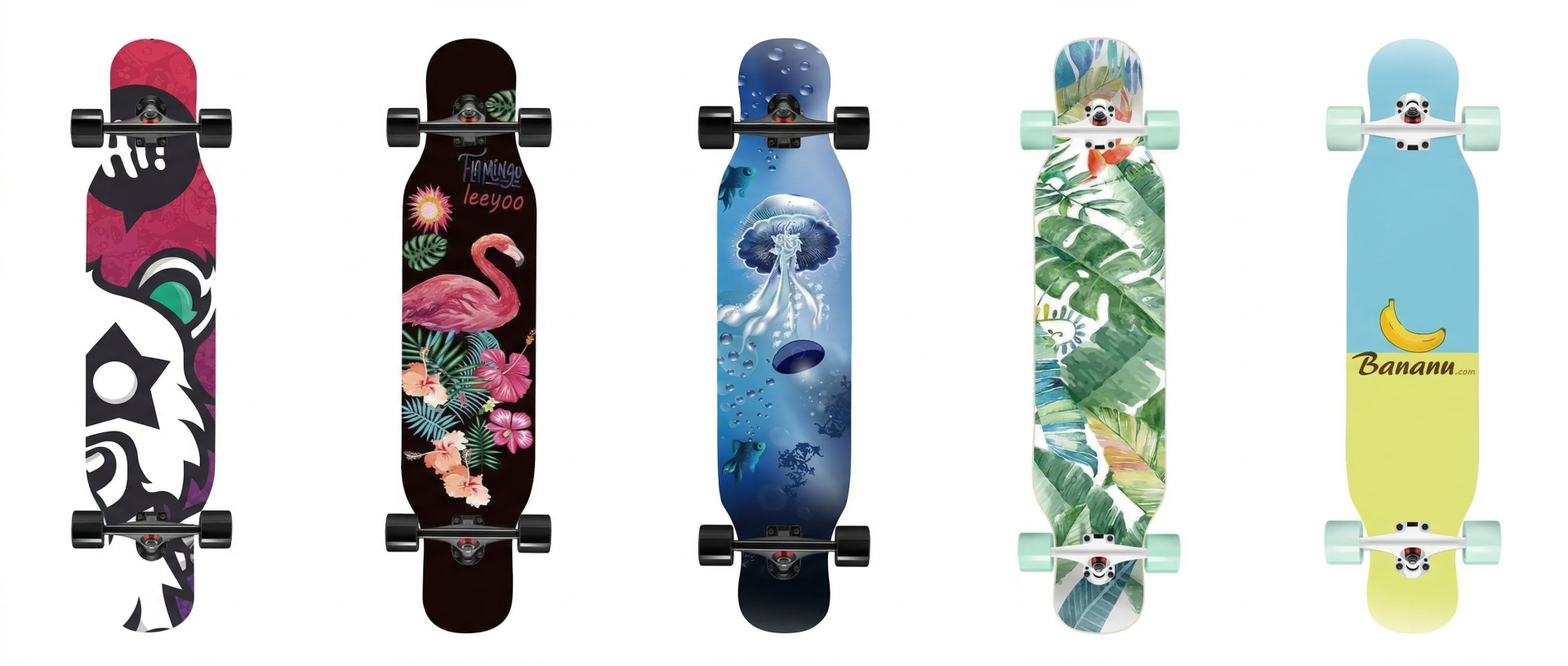
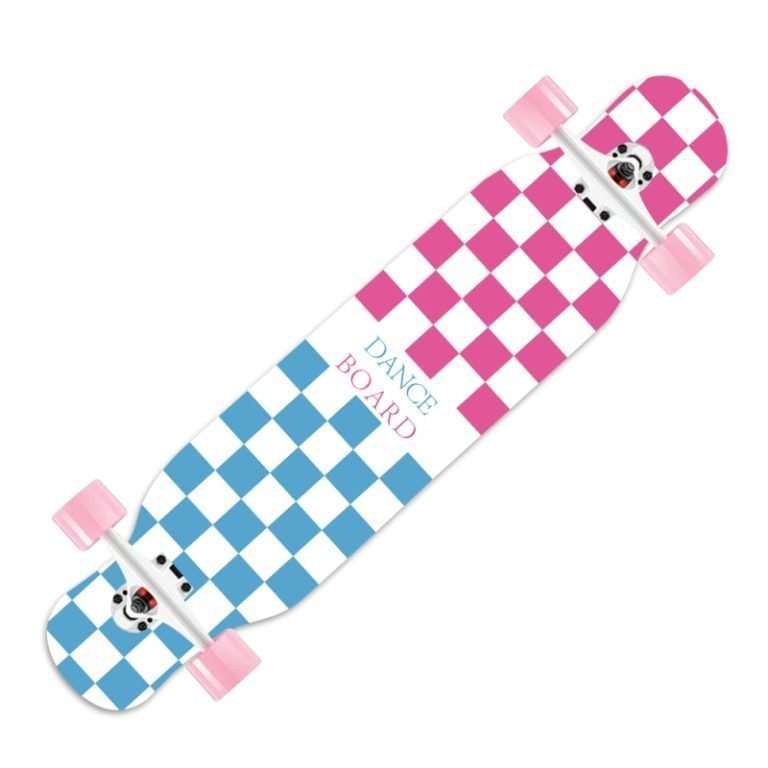
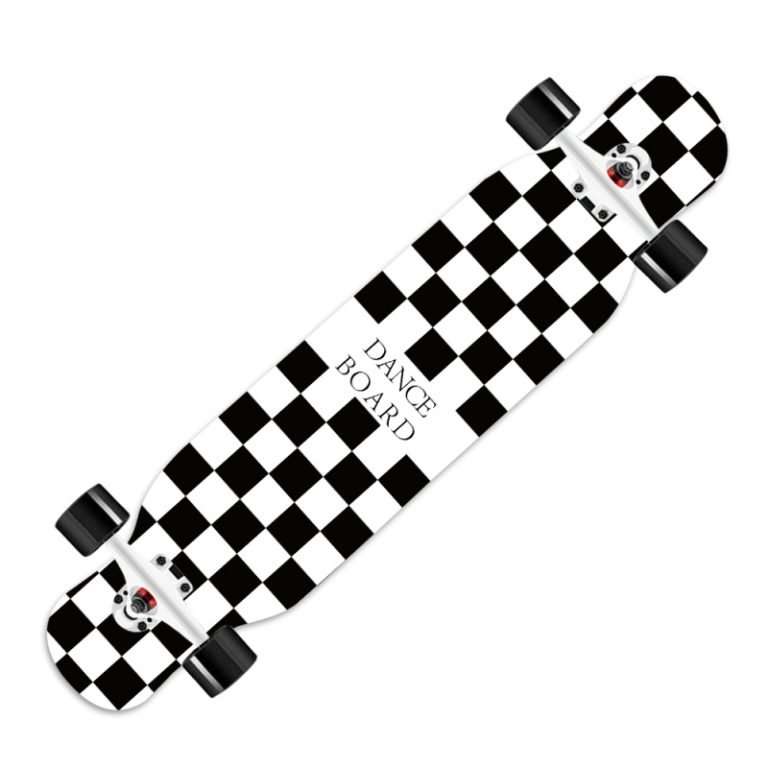
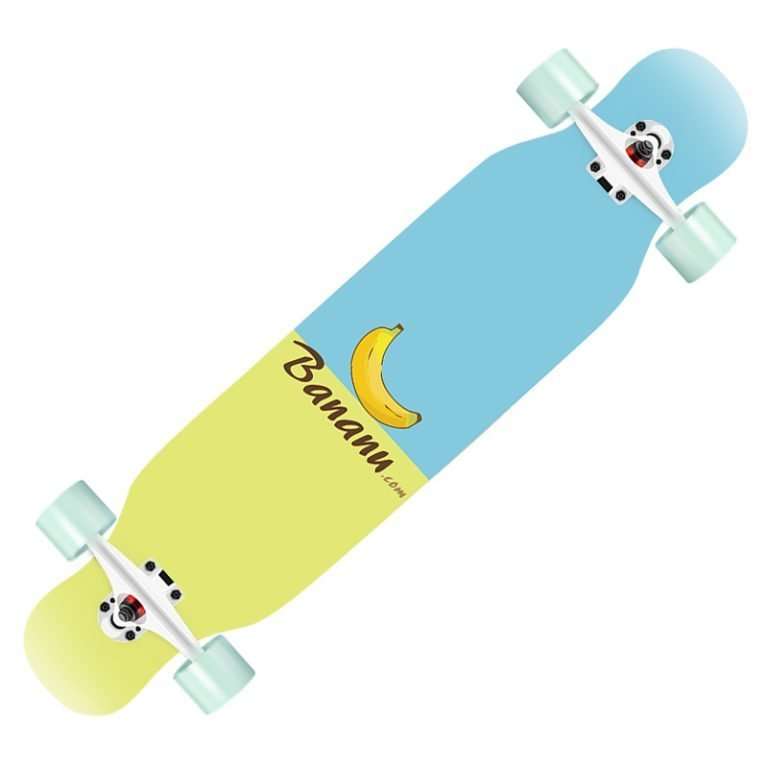
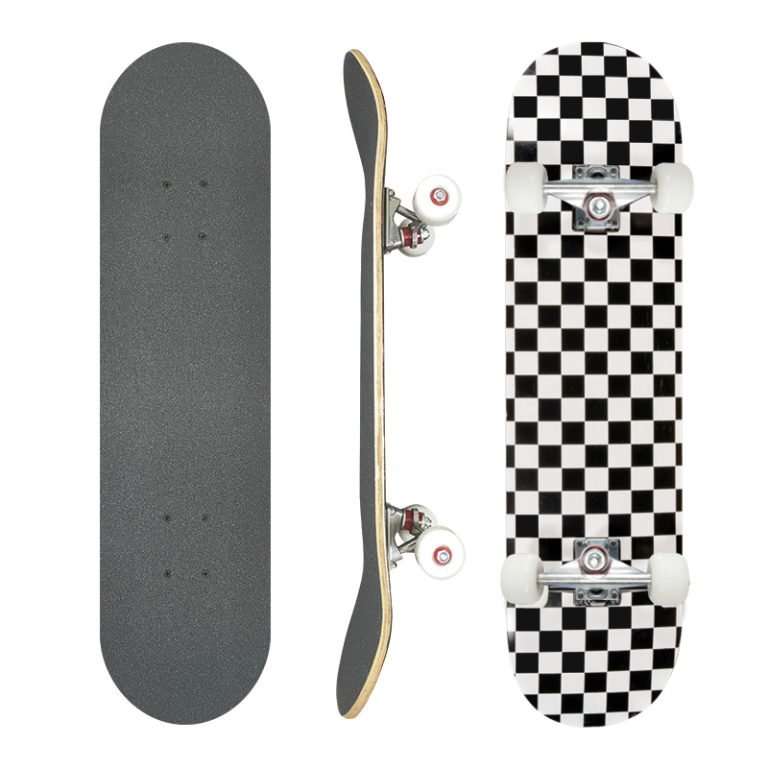
The best beginner longboard is a 110cm complete setup with soft 78A–82A wheels. The longer deck gives your feet more room to find balance, and soft wheels absorb road vibrations so you can focus on technique instead of fighting the terrain. Our Checker Groove ($120) and Banana ($139) are both excellent first boards that ship fully assembled — open the box and ride.
Yes — significantly easier. The longer deck, wider wheelbase, and softer wheels provide natural stability that a standard skateboard cannot match. Most new riders can push, glide, and stop within their first 1–2 sessions on a longboard. On a regular skateboard, just maintaining balance on flat ground takes most people several weeks.
Absolutely. A 110cm longboard covers ground 2–3x faster than walking, weighs less than a bike, and requires no parking. The soft wheels handle cracked sidewalks and rough asphalt far better than any hard-wheeled board. For tighter spaces like lockers or subway cars, the 72cm Cruiser is the more portable alternative.
A quality complete beginner longboard costs between $120 and $200. Our complete setups start at $120 (Checker Groove) and include everything already installed — trucks, wheels, bearings, and grip tape. No tools or extra hardware needed. Free shipping across the US on all complete boards.
Ready to connect with the pavement?
Every longboard ships fully assembled with free US delivery. Find flat ground, step on, and let the board do the rest.
Founder of Groveride · Former urban transportation analyst, Portland OR · Longboard rider since 2019 · Spent 5 years studying how people move through cities before building the board-buying guide that should have existed.