
Trading Speed for Flow
We’re all obsessed with getting from A to B as fast as possible. Navigation apps measure our commutes down to the exact second, making speed feel like the only thing that matters. But rushing everywhere usually just leaves us exhausted—physically at our destination, but mentally still stuck in traffic.
It’s easy to feel burnt out when the world outside your window is just a blur. That’s where longboarding comes in. It’s not about getting somewhere faster; it’s about actually experiencing the time it takes to get there. Stepping on a board is a deliberate choice to slow down, and it’s the driving force behind the slow-living longboard movement.
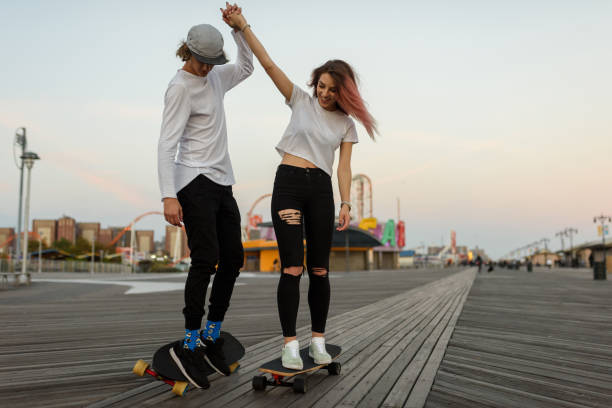
More Than Just a Big Skateboard
A lot of people think longboards are just stretched-out street decks, but the vibe is completely different. While traditional skateboarding is all about explosive pop, technical tricks, and pushing physical limits, longboarding leans into a smooth, rolling flow—what many riders call “mindful cruising.”
Take the deck itself. Usually pressed from 7 to 9 plies of Canadian maple, a longboard has a natural, built-in flex. When you ride, the deck actually absorbs the harsh vibrations of the pavement, turning a bumpy street into a rhythmic, bouncing pulse under your feet.
Then there are the wheels. Longboard wheels are big and soft (usually between 78A and 82A durometer). They aren’t built for sprinting; they’re built to dampen the ride. Gliding on asphalt feels less like rolling and more like slicing through water. That buttery-smooth feedback is enough to snap your brain out of its daily stress loop and into a grounded, meditative state.

Finding Your Flow State on the Pavement
When you’re just cruising down a street, time seems to stretch out. Balance isn’t static—you’re constantly making tiny micro-adjustments with your ankles to stay locked in. This deep physical engagement forces you to drop whatever is stressing you out (like looming deadlines or unread emails) and pulls your focus squarely into the present moment.
Tuning In: When you slow down, your senses open up. You actually hear the quiet hum of your bearings and feel the breeze cutting through your hands.
The Scenic Route: Cruising isn’t about straight lines. It’s about carving, finding the natural dips in the road, and dodging shadows. It’s the opposite of an efficient commute—it turns a boring trip to the store into a micro-adventure. Just like the unique grain patterns on a maple deck, no two rides are ever exactly the same.
Your Setup, Your Pace
Longboarding naturally fits the slow-living ethos because nothing about it is cookie-cutter. There are distinct styles—dancing, freeriding, pure cruising—and each one reflects a different rhythm. If you’re into longboard dancing, for example, you’re stepping and cross-stepping on a massive 42-inch deck, essentially playing with gravity in slow motion.
Just like no two surfers ride a wave exactly the same way, no two skaters set up their boards the same. From how loose you run your trucks to the custom cuts on your grip tape, your board is a physical reflection of your own personal pace.
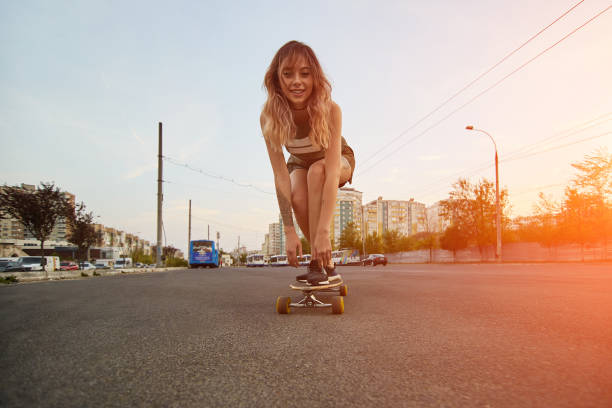
Enjoy the carve.
Ultimately, longboarding reminds us that the best part of the trip isn’t always the destination—it’s the carves along the way.
By trading an obsession with speed for the rhythm of a longboard, you rebuild a genuine connection with your surroundings. The city stops being just a gray background and turns into a playground. Next time life feels a little too fast and overwhelming, grab your board, hit the pavement, and reclaim your own sense of time.
FAQ: Longboarding & Slow Living
Q1: I have zero skateboarding experience. Is longboarding right for me?
100%. Compared to regular skateboards, longboards have a longer wheelbase and a lower center of gravity, which makes them incredibly stable and forgiving. You don’t need to learn complicated tricks; beginners can get the hang of basic pushing and leaning to steer in just an afternoon.
Q2: Why does cruising feel so relaxing after a long day?
It actually acts as a natural reset for your nervous system. The rhythmic swaying motion of carving, combined with the smooth rolling of soft wheels, creates a calming, cradle-like effect. Plus, the physical act of controlling your own movement outdoors is a massive stress-reliever compared to being packed into a stuffy subway car.
Q3: What kind of longboard is best for a beginner who just wants to cruise?
If you just want a relaxed, slow-living vibe, look into a “drop-through” or a classic “pintail” shape. Drop-through boards sit lower to the ground, which makes pushing way easier on your legs. Pintails give you that classic, flowy, surf-style feel. Pair either one with big, soft wheels (around 70mm, 78A), and you’ve got the perfect setup for cruising.